As we move into 2025, commercial interior design in Australia is shifting in exciting and meaningful ways. The events of recent years paired with rapid changes in technology, culture and customer expectations have reshaped how we approach spaces in hospitality, healthcare, retail and office environments.
Across cities like Sydney, Melbourne, Brisbane, Gold Coast and Sunshine Coast, businesses are embracing interior design as a powerful tool for enhancing user experience, brand recognition, wellbeing and operational efficiency.
Whether you’re a business owner planning a renovation or simply keeping a finger on the pulse of design, here’s a deep dive into the top commercial interior design trends emerging in Australia for 2025.
1. Biophilic Design: Bringing Nature In
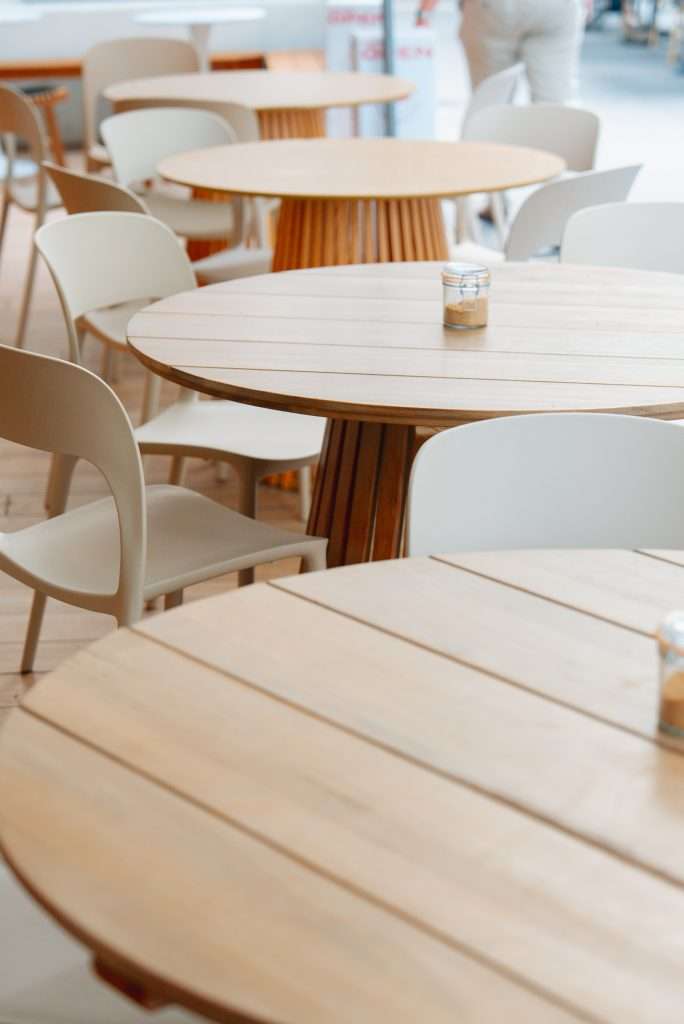
Biophilic design, the integration of natural elements into the built environment continues to dominate. But in 2025, it goes beyond potted plants and green walls. There’s a stronger emphasis on using natural textures, lighting, materials and forms that connect people with nature on a sensory level.
We’re seeing more use of reclaimed timber, linen upholstery, tactile stone finishes and flowing organic forms in joinery and layout. Natural light is being prioritised wherever possible and even artificial lighting is designed to mimic circadian rhythms.
This approach is not just about aesthetics, it’s about health. Studies have shown that biophilic design reduces stress, improves concentration and enhances mood. For hospitality and healthcare spaces, this means creating an atmosphere of calm and comfort. For offices, it results in increased productivity and job satisfaction. In retail, it creates inviting, emotionally resonant environments that customers linger in longer.
2. Zoning and Flexibility in Layout
One of the most functional design shifts we’ve seen is the move towards zoning and adaptable spaces. Gone are the days of one-size-fits-all open-plan spaces. In 2025, smart design is about defining distinct zones within a space, each one tailored to specific functions or moods.
In hospitality, this may look like a split between takeaway, dine-in and lounge zones. In clinics, it could be private consultation pods separate from open waiting areas. In offices, we’re seeing a growing preference for “neighbourhood” designs dividing the workspace into focused work areas, collaborative zones, wellness spaces and quiet nooks for reflection or rest.
Designers are using clever visual cues, changes in floor material, ceiling height, lighting, or even scent to define these areas while keeping the overall space fluid and cohesive. This zoning is especially critical in spaces that serve multiple audiences or functions throughout the day.
3. Sustainability: A Non-Negotiable
Sustainability has evolved from being a “nice to have” into a foundational pillar of modern commercial design. Clients across all industries are asking more questions about where their materials come from, how long they’ll last and what their environmental impact will be.
In 2025, the focus is on:
- Recycled and upcycled materials (terrazzo, repurposed timber, reclaimed steel)
- Low-VOC (Volatile Organic Compounds) paints and adhesives
- Sustainable local suppliers and Australian-made furnishings
- Designs that support passive heating, cooling and energy efficiency
- Fitouts designed for longevity not short-term trends
This movement is being driven not just by corporate responsibility but also by customer demand. Clients and consumers want to align themselves with brands that make environmentally conscious choices. As designers, this means being well-versed in material lifecycles, product certifications and ethical sourcing.
4. Wellness-Centric Design
Wellbeing is one of the defining drivers of commercial design in 2025. People are more aware of the impact their environment has on their physical and mental health and they’re seeking spaces that support wellness on every level.
This is especially important in healthcare and office design, but it’s equally relevant in retail and hospitality settings.
Examples include:
- Soft lighting that reduces eye strain
- Curved edges on furniture and joinery to create a sense of safety
- Acoustic treatment that reduces noise fatigue
- Calming colour palettes drawn from nature
- Fragrance zoning using essential oil diffusers
- Incorporation of rest areas, reflection nooks, or recharge zones
Wellness-driven design supports not just visitors or customers, but also the staff who spend hours each day in the space. It’s a growing differentiator for businesses aiming to attract top talent, enhance customer loyalty and reduce staff turnover.
5. Branding Through Interior Design
In 2025, interior design and branding are more intertwined than ever. A well-designed space is a three-dimensional extension of your brand and when done right, it tells your story without words.
Businesses are moving away from generic design solutions and toward tailored, brand-led environments. From custom colour palettes and curated furniture pieces to bespoke signage and locally made artwork, design choices are now expected to support your unique brand personality.
For example:
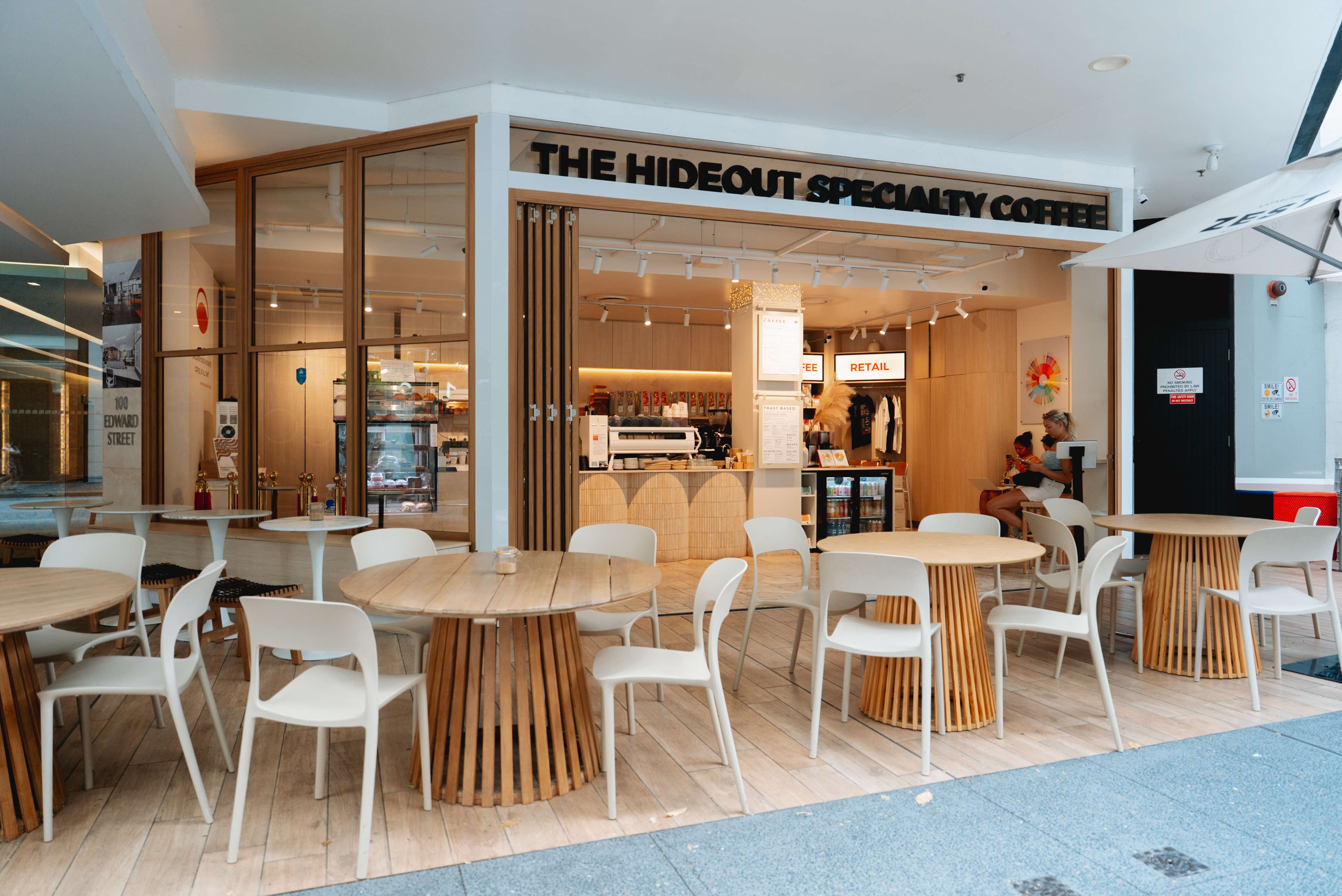
- A coastal café might use sun-washed colours, recycled timber and hand-painted tiles to communicate warmth and community.
- A tech start-up may favour clean lines, graphic elements and interactive installations that reflect innovation and agility.
- A luxury skincare clinic might focus on sensory materials like velvet, brushed brass and soft lighting to create a feeling of indulgence and trust.
Every touchpoint, from your floor tiles to your door handle, is a chance to reinforce your message and connect emotionally with your audience.
6. Social Media-Friendly Features
The rise of social media especially image and video-driven platforms like Instagram and TikTok has made shareable design elements a priority for many clients. In 2025, “Instagrammable moments” are often built into the design brief.
These are not gimmicks, but thoughtfully integrated design features that spark engagement:
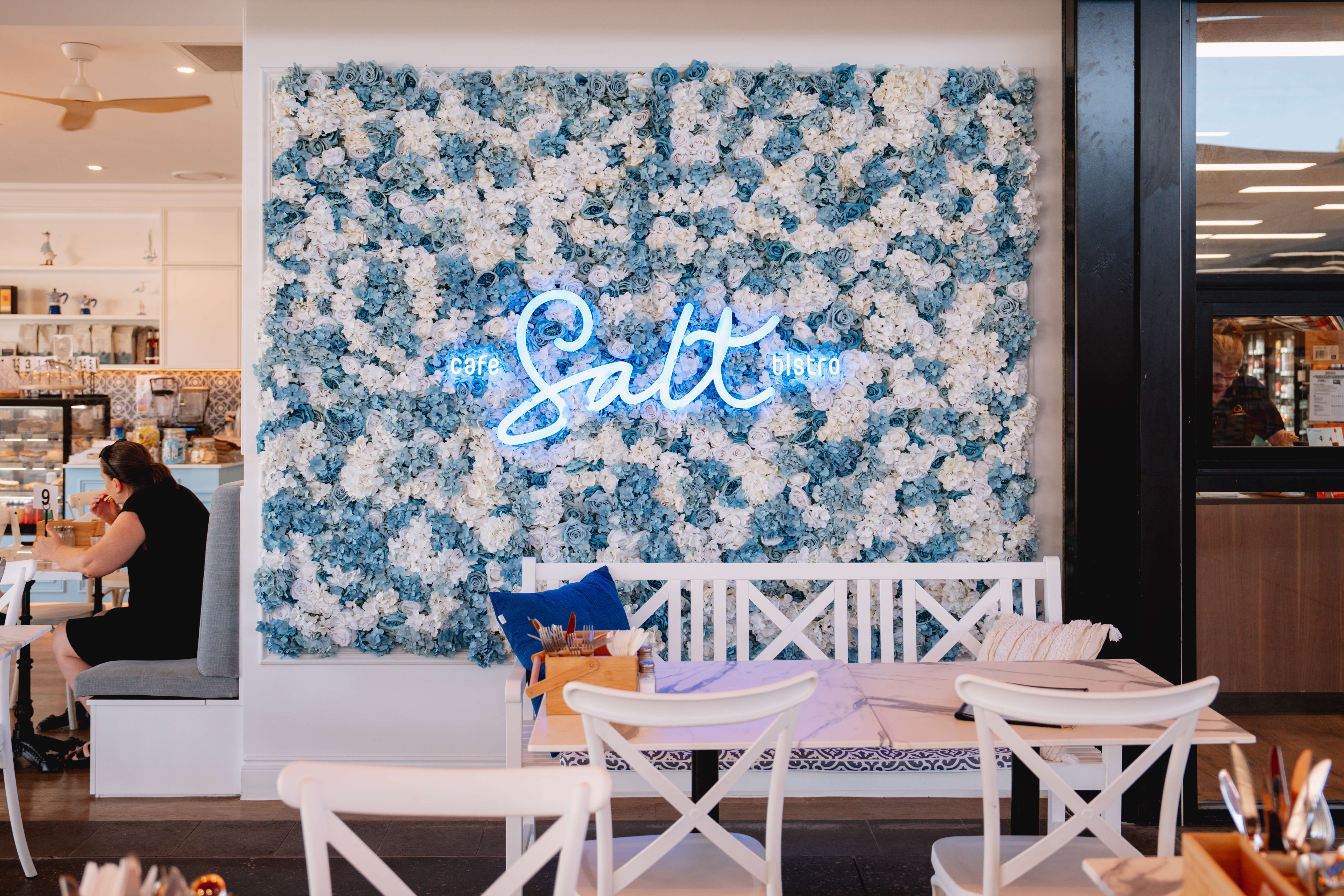
- Feature walls with murals or textural branding
- Neon or LED signage with memorable quotes
- Custom mirrors with etched logos
- Colour-blocked rooms for bold visual impact
- Interactive or immersive design elements that invite photography
This is particularly relevant in cafes, salons, retail boutiques and even fitness studios. Customers actively seek out places they can share online and these features often become part of the marketing strategy itself.
7. Tech Integration That Enhances Experience
Smart design means smart technology. But the approach in 2025 is subtle, integrated, and user-first not tech for tech’s sake.
In commercial fitouts, we’re incorporating:
- Touchless entry and payment systems
- Wireless charging stations and USB-integrated furniture
- Smart lighting that adjusts based on time of day or occupancy
- Acoustic zoning systems in open-plan offices and clinics
- Digital signage that’s easy to update and brand
Designers are working closely with AV consultants and tech providers to ensure seamless integration, without disrupting aesthetics or usability. When done right, technology fades into the background and simply makes the experience smoother and more intuitive for users.
8. Local Context and Cultural Identity
One of the most refreshing design trends in 2025 is the return to local context. While global trends will always have an influence, businesses are embracing the uniqueness of their location whether that’s Sydney’s polished urban elegance, Melbourne’s gritty cool, Brisbane’s warmth, or the beachy calm of the Sunshine Coast.
Designers are using:
- Locally made art and furnishings
- Regional materials (Queensland timbers, VIC ceramics)
- Climate-appropriate finishes and layouts
- Cultural references or storytelling elements tied to local history
For businesses expanding across multiple cities, we’re creating frameworks that allow for consistency in branding while tailoring the feel of each space to the community it serves.
Wrapping Up: Design That Works for Business
Design trends are a helpful guide but great commercial interiors are ultimately about designing spaces that work. That means:
- Spaces that support your people, whether they’re staff, patients, customers, or clients
- Layouts that improve efficiency and flexibility
- Environments that tell your brand story and stand the test of time
- Fitouts that align with your budget, sustainability goals and future growth plans
If you’re planning a new space or thinking of refreshing an existing one, now is the time to align design with strategy. As designers who work across Sydney, Melbourne, Brisbane, Gold Coast and Sunshine Coast, we bring national insights with local relevance.
Need help bringing your space to life in 2025?
Contact us today! Whether you’re opening a new café, transforming a medical practice, or reimagining your retail store, we can help you create a space that feels purposeful, thoughtful, and future-focused.